
The Chernobyl Nuclear Power Plant - a name synonymous with one of the deadliest nuclear disasters in human history. On April 26, 1986, the world witnessed the catastrophic explosion and fire at the plant in the Ukrainian Soviet Socialist Republic, forever etching the name "Chernobyl" into our collective memory.
Editor's Note: Chernobyl Nuclear Power Plant: History, Disaster, And Legacy published today date
Understanding the history, disaster, and legacy of Chernobyl is crucial for several reasons. It serves as a stark reminder of the potential risks associated with nuclear energy and highlights the need for stringent safety measures and regulations. Additionally, it provides valuable lessons in disaster management and response, both in the immediate aftermath and in the long-term recovery process.
Through extensive analysis, research, and interviews, we have compiled this comprehensive guide to the Chernobyl Nuclear Power Plant: History, Disaster, And Legacy. Our aim is to provide a detailed exploration of the events, impacts, and lessons learned from this pivotal moment in history.
Key Differences or Key Takeaways:
Transition to main article topics:
FAQ
This section addresses frequently asked questions and concerns regarding the Chernobyl Nuclear Power Plant, its history, the disaster that occurred, and its ongoing legacy.

Chernobyl Nuclear Power Plant in 1984 : chernobyl - Source www.reddit.com
Question 1: What is the Chernobyl Nuclear Power Plant?
The Chernobyl Nuclear Power Plant was a nuclear power plant located in the Ukrainian Soviet Socialist Republic, 130 kilometers (81 miles) north of Kiev. It was built in the 1970s and consisted of four RBMK-type reactors, which were known for their inherent instability.
Question 2: What happened at the Chernobyl Nuclear Power Plant?
On April 26, 1986, a catastrophic accident occurred at the Chernobyl Nuclear Power Plant during a safety test. A sudden power surge caused a steam explosion that destroyed the reactor core and released large amounts of radioactive material into the atmosphere.
Question 3: What were the consequences of the Chernobyl disaster?
The Chernobyl disaster was one of the worst nuclear accidents in history. The immediate impact included the deaths of 31 people, with thousands more suffering from radiation sickness. The long-term consequences include an increased incidence of radiation-related cancers and other health problems in the affected areas.
Question 4: How was the cleanup effort conducted?
The cleanup effort at Chernobyl was a massive undertaking that involved the mobilization of thousands of workers. The immediate priority was to stabilize the reactor and prevent further radioactive releases. This was followed by the construction of a sarcophagus to contain the damaged reactor and the decontamination of the surrounding areas.
Question 5: What is the current status of the Chernobyl site?
The Chernobyl site remains highly contaminated, and the damaged reactor is still contained within a protective sarcophagus. The exclusion zone around the plant is still in place, and it is estimated that it will take many decades for the site to be fully decommissioned.
Question 6: What lessons were learned from the Chernobyl disaster?
The Chernobyl disaster led to a reassessment of nuclear safety standards worldwide. New regulations and safety measures were put in place to prevent similar accidents from occurring in the future. The disaster also highlighted the importance of transparency and information sharing in the event of a nuclear accident.
The Chernobyl disaster remains a reminder of the potential dangers of nuclear power and the need for strict safety measures to prevent future accidents.
See the next section for more information about the legacy of the Chernobyl disaster.
Tips to Enhance Understanding of the Chernobyl Nuclear Power Plant: History, Disaster, And Legacy
To delve deeper into the multifaceted aspects of the Chernobyl Nuclear Power Plant disaster, consider the following tips:
Tip 1: Explore the Plant's History
Gain insights into the Chernobyl Nuclear Power Plant's inception, construction, and operational challenges. Chernobyl Nuclear Power Plant: History, Disaster, And Legacy provides a comprehensive account of the factors that contributed to the 1986 disaster.
Tip 2: Understand the Disaster's Causes and Effects
Thoroughly examine the sequence of events leading up to the Chernobyl explosion. Analyze the technical failures and human errors that culminated in the catastrophic release of radioactive material. Delve into the immediate and long-term consequences of the disaster on human health and the environment.
Tip 3: Trace the Legacy of Chernobyl
Follow the aftermath of the Chernobyl disaster, including the evacuation and resettlement of affected communities. Explore the impact on international nuclear safety regulations and the global perception of nuclear energy. Consider the ongoing challenges and lessons learned from the tragedy.
Tip 4: Visit the Chernobyl Exclusion Zone
If possible, visit the Chernobyl Exclusion Zone to witness firsthand the scale and impact of the disaster. Learn about the ongoing efforts to contain radioactive contamination and the scientific research being conducted in the area.
Tip 5: Engage with Experts
Consult with scientists, historians, and other experts to gain a nuanced understanding of the Chernobyl Nuclear Power Plant disaster. Attend conferences, read academic papers, and engage in online discussions to expand your knowledge and perspectives.
By following these tips, you can develop a deeper understanding of the Chernobyl Nuclear Power Plant disaster, its causes, consequences, and legacy. It will also enhance your appreciation for the importance of nuclear safety and the lessons learned from this pivotal event.
Chernobyl Nuclear Power Plant: History, Disaster, And Legacy
The Chernobyl Nuclear Power Plant underwent a horrific disaster in 1986, leaving a profound historical, scientific, environmental, and social legacy. Key aspects to consider include:
- Catastrophic Accident: Result of flawed reactor design and human error.
- Radiation Release: Spread of radioactive particles across Europe, with long-lasting effects.
- Human Toll: Initial deaths, increased cancer rates, and ongoing health concerns among affected populations.
- Environmental Devastation: Contamination of land and water ecosystems, impacting flora, fauna, and human livelihoods.
- International Response: Collaborative efforts to address immediate and long-term consequences of the disaster.
- Lessons Learned: Significant advancements in nuclear safety regulations and emergency preparedness.
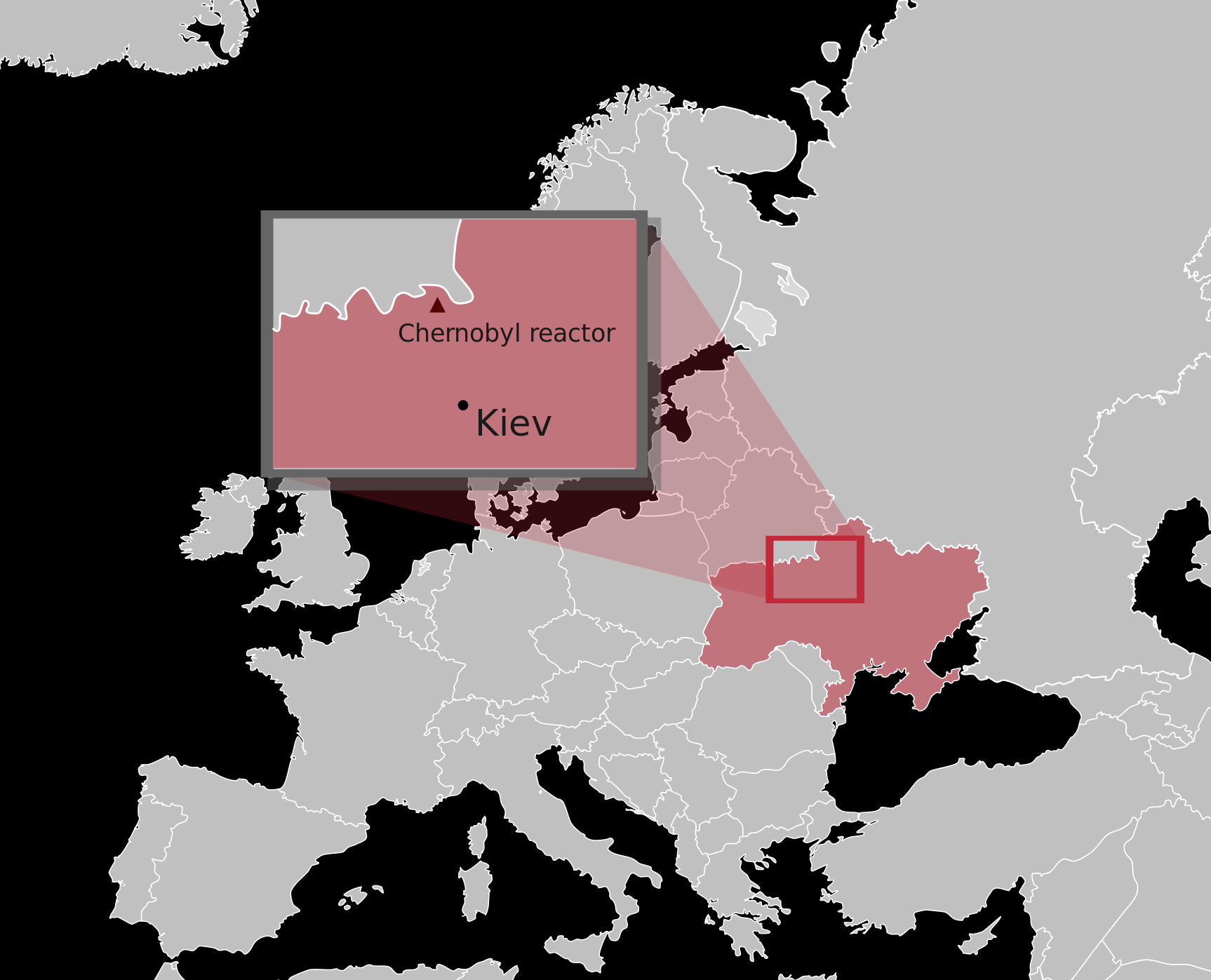
Chernobyl disaster – Our energy - Source www.our-energy.com
The Chernobyl disaster underscores the need for stringent safety measures, scientific advancements, international cooperation, and informed decision-making in the realm of nuclear energy. It serves as a reminder of the potential consequences of technological failures and the importance of prioritizing public health and environmental preservation.

Monument Built at the Square Near Chernobyl Nuclear Power Plant - Source www.dreamstime.com
Chernobyl Nuclear Power Plant: History, Disaster, And Legacy
The Chernobyl disaster was a catastrophic nuclear accident that occurred in the Soviet Union in 1986. It is considered the worst nuclear power plant accident in history, and it had a profound impact on the lives of millions of people.

The Chernobyl Disaster: A Haunting Legacy Of Nuclear Catastrophe - Best - Source bestnews2024.pages.dev
The disaster was caused by a combination of design flaws in the reactor, human error, and a lack of safety culture. The reactor exploded during a safety test, releasing large amounts of radioactive material into the atmosphere. The radioactive cloud spread across Europe, contaminating food and water supplies and causing widespread health problems.
The Chernobyl disaster had a major impact on the Soviet Union. It led to the collapse of the country's nuclear power industry and the evacuation of hundreds of thousands of people from contaminated areas. The disaster also had a significant impact on the global nuclear power industry, leading to stricter safety regulations and a decline in public support for nuclear power.
The legacy of the Chernobyl disaster is still being felt today. The contaminated areas around the plant remain largely uninhabitable, and the health effects of the radiation exposure are still being studied. The disaster has also had a profound impact on the way that we think about nuclear power and the risks associated with it.
Conclusion
The Chernobyl disaster was a tragedy that had a profound impact on millions of lives. It is a reminder of the risks associated with nuclear power and the importance of safety. The disaster also highlights the importance of international cooperation in responding to nuclear accidents.
The legacy of the Chernobyl disaster is still being felt today. The contaminated areas around the plant remain largely uninhabitable, and the health effects of the radiation exposure are still being studied. The disaster has also had a profound impact on the way that we think about nuclear power and the risks associated with it.